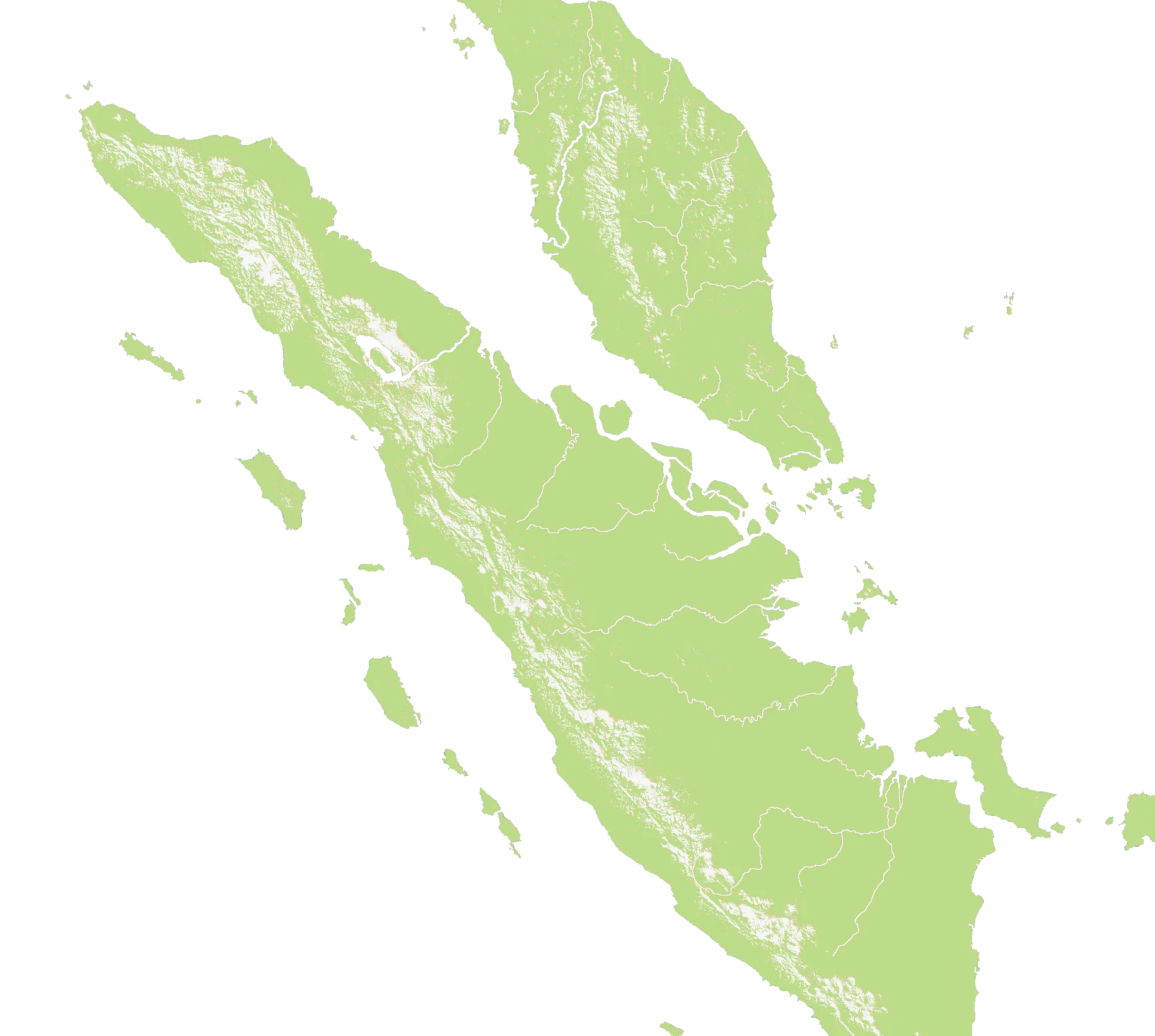
Strait Of Malacca
A narrow sea lane with global weight
Nations 13





The Geography
Strait of Malacca covers the maritime corridor between the Malay Peninsula and Sumatra. The map is 1832x1644 with 29% land and 71% water, making it a naval map where land still matters because the shores are so close to the shipping lane.
The real strait is one of the most important chokepoints in the world economy. On the map, that becomes a compact contest over coasts, islands, and crossings. Players who control both sides can squeeze the entire battlefield.
The History
15th Century - The Malacca Sultanate
Malacca rose as a major trading power by controlling a key point on the route between the Indian Ocean and the South China Sea.
1511 - Portuguese Capture of Malacca
Portugal seized Malacca to control spice trade routes. Later Dutch and British power struggles kept the strait central to imperial strategy.
Modern Era - Global Shipping Chokepoint
Today the Strait of Malacca carries a major share of global maritime trade and energy shipments, making it strategically important far beyond Southeast Asia.
The Battlefield
Terrain Overview
Thirteen nations make the opening readable, but the water-heavy layout means every player must think about crossings early. Land is concentrated along long coasts rather than broad interiors.
Best Spawns
- Central strait positions - dangerous, but they control the most valuable traffic.
- Malay Peninsula coast - strong land continuity with naval reach.
- Sumatra-side holds - useful for flanking and denying crossings.
Avoid
- Tiny island starts without support - easy to blockade.
- One-shore tunnel vision - the opposite coast can become a launch platform against you.
Strategic Insights
Strait of Malacca is about denying movement as much as taking land. If you can force enemies to cross where you are ready, the map’s water becomes a weapon. If you lose the sea lane, even good land positions become vulnerable.
Fun Facts
- The strait is named after the historic port city of Malacca.
- Singapore sits near the southeastern exit of the route.
- The map has the highest water percentage among the new real-world regional additions.